
Concrete Slab Contractor in Springfield, IL
A shed pad and a shop floor are the same material and almost nothing else. What the slab has to carry decides its thickness, its steel, and how deep the stone goes underneath.
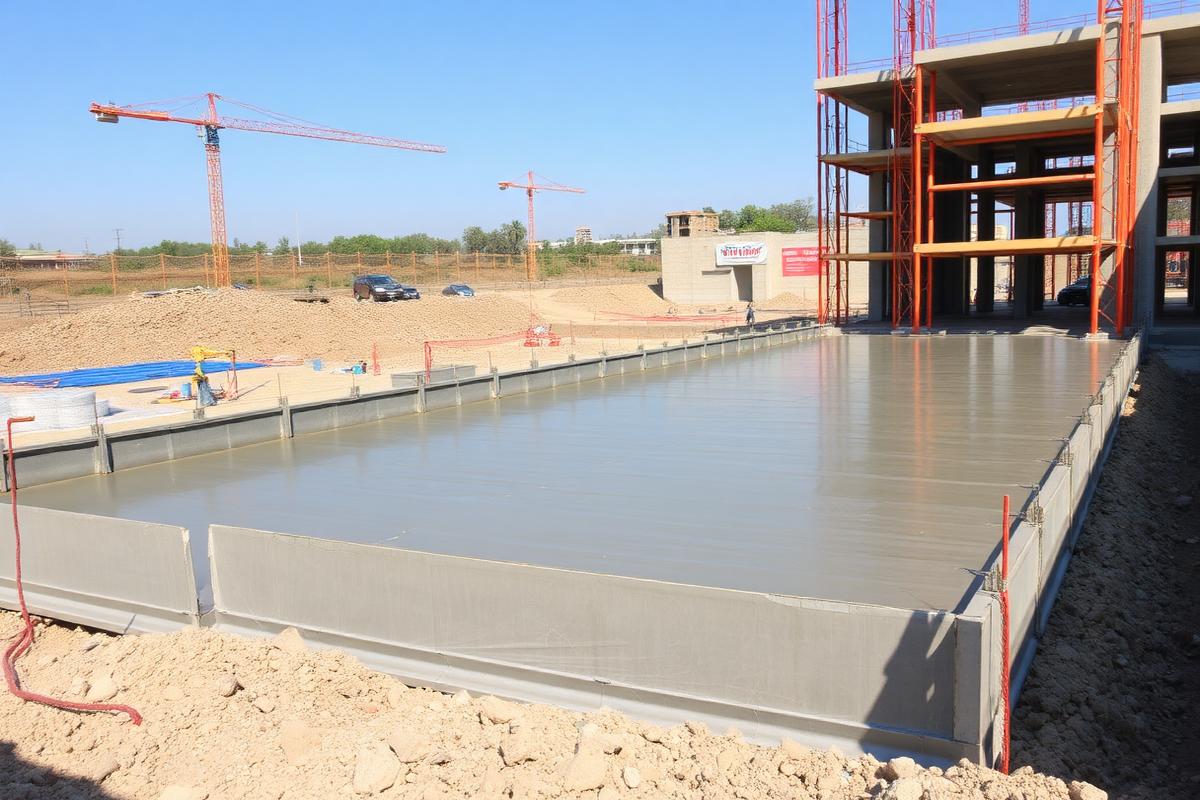
Start With What Goes On It
Weight is the first question, not square footage. A garden shed asks very little of a slab; a lift, a boat, or a grain cart asks a great deal.
Light Duty
Sheds, generators, AC pads, and hot tub bases. Modest thickness, mesh or fiber, clean base.
Vehicle Duty
Detached garages and RV pads. Thicker section, rebar on a grid, and a base built to hold point loads.
Equipment and Shop Floors
Heavier still, and often specified. Where an engineer is involved, we build to the drawing.
Sangamon County Ground Is the Variable
The silt loams across this area drain slowly and change volume with moisture. A slab is only ever as stable as what it sits on.
Compacted Stone Base
Gives water somewhere to go and buffers seasonal soil movement under the slab.
Air-Entrained Mix
Standard on anything exposed. Freeze-thaw here runs from late November well into March.
Planned Control Joints
Concrete cracks. Joints on a sensible grid decide where, instead of leaving it to luck.
Perimeter Thickening
Edges carry more than the middle on most pads. Thickened edges are cheap insurance.
Access Changes the Number
If a truck can back up and chute directly onto the pad, the pour is fast and the price reflects it. Behind a fence or down a long backyard, the concrete has to be buggied or pumped — same slab, more labor.
What to Send With Your Request
Rough dimensions, what the slab will hold, a few photos of the spot, and a note on how a truck could reach it. That is enough to give you a real answer instead of a placeholder range.
Request Your Slabs Estimate
Call Springfield IL Concrete or submit the estimate form to discuss your project.
Request a Concrete Estimate in Springfield
Call Springfield IL Concrete or submit the estimate form with your project details.